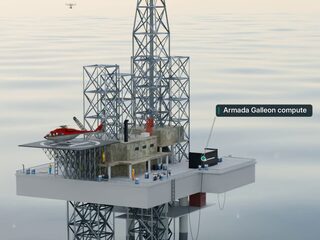
SCOPE: a camera agent and its digital twin
HRI 2026 · peer-reviewed · DOISmall AI models that run pan-tilt-zoom cameras from plain-English requests, on local hardware. We test them in a Blender digital twin with a 536-task benchmark.

AI Engineer at Armada, Seattle
I build AI systems that run on local hardware, out where the data is, instead of in a distant data center. Most of my work is making small models dependable: camera agents that take plain-English instructions, forecasting models, and the tests that show whether any of it is ready to use.
M.S. in AI Engineering, Carnegie Mellon (2024). B.S. in Engineering Mechanics, UW–Madison (2023).
Small AI models that run pan-tilt-zoom cameras from plain-English requests, on local hardware. We test them in a Blender digital twin with a 536-task benchmark.
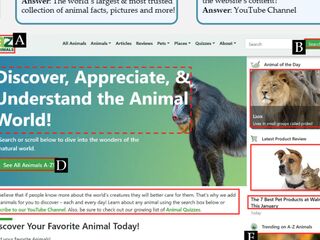
We fine-tuned an open-source vision model (LLaVA) and rebuilt its prompts so it reads web pages better. Predicting what a click does went from 10% to 77.9%.
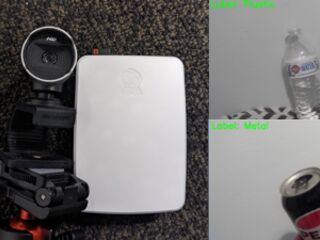
Three image models that sort trash into six kinds, tested one change at a time, then compressed to run live on a Raspberry Pi 5 with almost no loss in accuracy.
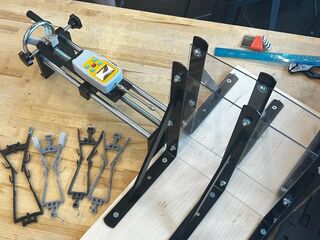
Pipe-crawling soft robots grip best when their legs bend outward. We simulated 12 leg designs, tested printed ones, and found one that does it reliably.
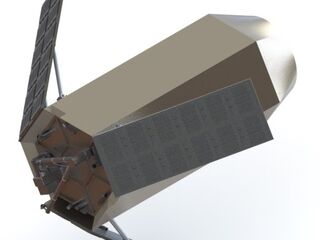
Senior design capstone: a design study for refueling up to ten satellites per launch.